

Wesak has always been more than a celebration. It is a moment of reflection; quiet, grounding, and deeply human.
But this year, something new is taking shape.
For the first time, Malaysia will host a national-level conference that bridges Buddhist principles with the Malaysia MADANI vision – happening on May 23 in conjunction with Wesak 2026. And honestly, it feels like the kind of conversation we’ve been needing for a while.
Carrying the theme “Traversing Wisdom and Civilisation: Buddhist Principles & MADANI Practices,” the conference isn’t just about religion or policy — it’s about finding common ground. Expect a mix of voices in the room: religious leaders, scholars, and civil society figures, all coming together to explore how timeless teachings can still guide a modern, diverse nation.
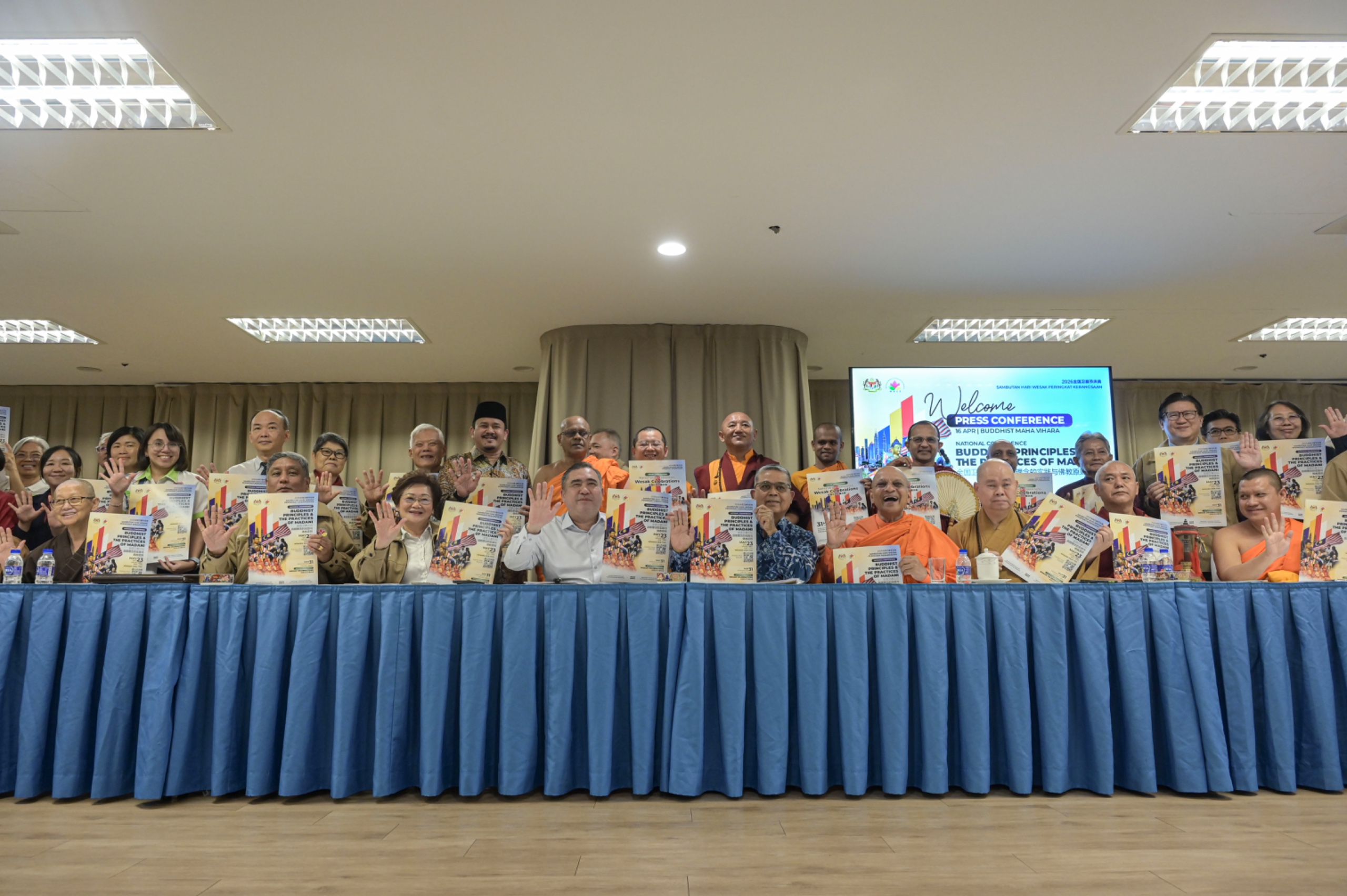
And yes, the presence of Prime Minister Anwar Ibrahim adds weight to the moment, but beyond that, it signals something bigger: an openness to dialogue, and a willingness to listen across differences.
Because if you strip things back, the values being discussed aren’t unfamiliar.
Compassion. Kindness. Doing good – even when no one is watching.
These are ideas often associated with Buddhism, but as Transport Minister Anthony Loke pointed out, they’re not exclusive to any one belief system. They’re universal. And in many ways, they echo what MADANI is trying to build — a society rooted in mutual respect and shared responsibility.
National Unity Minister Aaron Aro Dagang put it simply; understanding comes first, acceptance follows and only then can we truly celebrate together.
That sentiment feels especially relevant in Malaysia, where diversity isn’t just a buzzword — it’s daily life.
Beyond the conference, there’s also a quieter but meaningful effort happening on the ground.
Through a grassroots Wesak initiative, Buddhist temples and centres across the country will receive support — a reminder that these values aren’t just meant to be discussed in halls, but lived out in communities.
In many ways, this year’s Wesak isn’t just about rituals or tradition.
It’s about reconnecting with each other, with shared values, and maybe even with the idea that despite our differences, we’re not that far apart after all.
And perhaps that’s the real takeaway.
Not just celebrating Wesak, but understanding why it still matters.